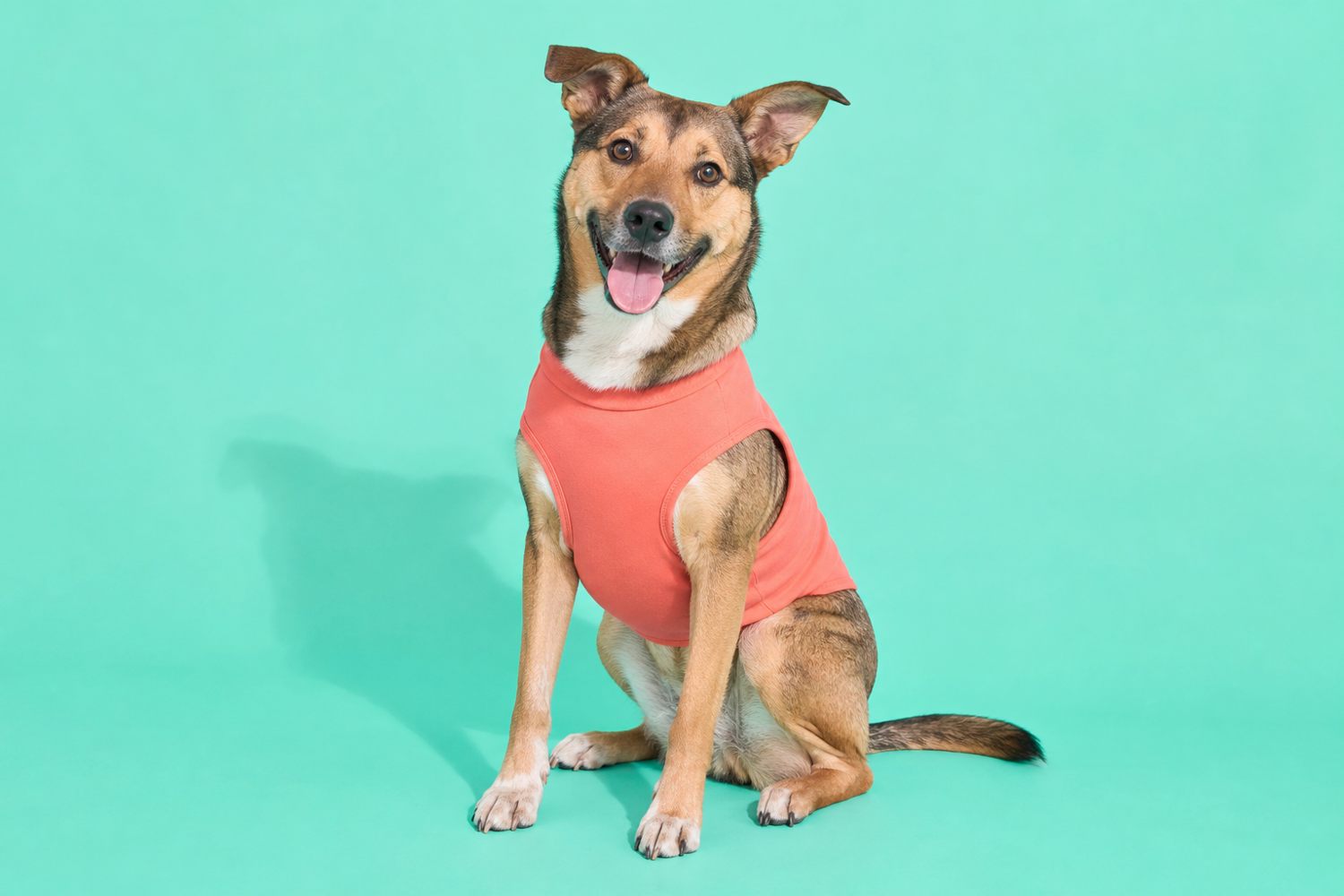
A photo cannot prove comfort
A garment can look neat during a one-second pose and still restrict the next stride. The walk test treats the dog’s movement and behavior as primary evidence. It is a short supervised routine for new apparel, changed sizes, post-wash checks, and any return to clothing after growth, grooming, injury, or a long break.
The piece can look neat during a one-second pose and still restrict the next stride. The walk test treats the companion’s movement and behavior as primary evidence. It is a short supervised routine for new apparel, changed sizes, post-wash checks, and any return to clothing after growth, grooming, injury, or a long break. In practice, pause between steps, observe the result from more than one angle, and favor the option that asks least of the animal. Record the measurement or observation while it is fresh so the next decision is based on evidence rather than memory.
Begin with voluntary participation
Present the garment and reward calm investigation. Guide it on without pulling ears, trapping toes, or forcing joints. If your dog backs away, stiffens, hides, or refuses food they normally value, stop and try another day. A good fit is not good enough if the dressing process itself creates distress.
Present the garment and reward calm investigation. Guide it on without pulling ears, trapping toes, or forcing joints. If your companion backs away, stiffens, hides, or refuses food they normally value, stop and try another day. A good fit is not good enough if the dressing process itself creates distress. In practice, pause between steps, observe the result from more than one angle, and favor the option that asks least of the animal. Record the measurement or observation while it is fresh so the next decision is based on evidence rather than memory.
Check the standing outline
Before moving, trace the neckline, shoulders, underarms, chest, belly, hem, and tail clearance with your eyes and fingers. No edge should press into skin. Seams should lie flat. The garment should not rotate to one side, bridge between the front legs, or bunch beneath a harness. Confirm bathroom areas are completely unobstructed.
Before moving, trace the neckline, shoulders, underarms, chest, belly, hem, and tail clearance with your eyes and fingers. No edge should press into skin. Seams should lie flat. The garment should not rotate to one side, bridge between the front legs, or bunch beneath a harness. Confirm bathroom areas are completely unobstructed. In practice, pause between steps, observe the result from more than one angle, and favor the option that asks least of the animal. Record the measurement or observation while it is fresh so the next decision is based on evidence rather than memory.
Watch ten natural strides
Walk on a level, non-slip surface at the dog’s ordinary pace. Compare front-leg reach and rear-leg rhythm with movement when unclothed. Shortened steps, paddling, repeated hopping, or a lowered head can signal restriction. Some dogs pause simply because clothing is unfamiliar, so allow a calm moment—but do not coax through persistent stiffness.
Walk on a level, non-slip surface at the companion’s ordinary pace. Compare front-leg reach and rear-leg rhythm with movement when unclothed. Shortened steps, paddling, repeated hopping, or a lowered head can signal restriction. Some companions pause simply because clothing is unfamiliar, so allow a calm moment—but do not coax through persistent stiffness. In practice, pause between steps, observe the result from more than one angle, and favor the option that asks least of the animal. Record the measurement or observation while it is fresh so the next decision is based on evidence rather than memory.
Add turns, a sit, and a down
A straight line tests only part of the pattern. Make wide turns in both directions, ask for a familiar sit, and invite a relaxed down if your dog knows one. Fabric should follow the rib cage rather than cutting into the armpit. The back hem should not push against the tail when sitting, and the belly panel should not pull when lying down.
A straight line tests only part of the pattern. Make wide turns in both directions, ask for a familiar sit, and invite a relaxed down if your companion knows one. Fabric should follow the rib cage rather than cutting into the armpit. The back hem should not push against the tail when sitting, and the belly panel should not pull when lying down. In practice, pause between steps, observe the result from more than one angle, and favor the option that asks least of the animal. Record the measurement or observation while it is fresh so the next decision is based on evidence rather than memory.
Listen to behavior
Scratching at the neckline, biting the hem, rolling, hiding, panting in a cool room, pinned ears, a tucked tail, or refusing to move are meaningful signals. Remove the garment and inspect both dog and item. Do not dismiss discomfort as drama. Dogs communicate fit problems through behavior long before a rub mark appears.
Scratching at the neckline, biting the hem, rolling, hiding, panting in a cool room, pinned ears, a tucked tail, or refusing to move are meaningful signals. Remove the garment and inspect both companion and item. Do not dismiss discomfort as drama. Companions communicate fit problems through behavior long before a rub mark appears. In practice, pause between steps, observe the result from more than one angle, and favor the option that asks least of the animal. Record the measurement or observation while it is fresh so the next decision is based on evidence rather than memory.
Check heat and coat conditions
Clothing changes insulation. A comfortable layer in a cool room may be too warm during active play or in direct sun. Feel beneath the garment and monitor breathing. Thick-coated, short-nosed, senior, very young, ill, and heat-sensitive dogs need especially conservative wear times. Remove apparel at the first concern about overheating.
Clothing changes insulation. A comfortable layer in a cool room may be too warm during active play or in direct sun. Feel beneath the garment and monitor breathing. Thick-coated, short-nosed, senior, very young, ill, and heat-sensitive companions need especially conservative wear times. Remove apparel at the first concern about overheating. In practice, pause between steps, observe the result from more than one angle, and favor the option that asks least of the animal. Record the measurement or observation while it is fresh so the next decision is based on evidence rather than memory.
Test harness compatibility separately
Never assume a harness works simply because it fastens over a tee. Clothing can add bulk, change strap position, hide twists, or let a loose harness slide. Fit the harness according to its maker’s instructions over the final clothing combination, check full shoulder movement, and inspect frequently. Do not cut a leash hole unless the garment was designed and reinforced for one.
Never assume a harness works simply because it fastens over a tee. Clothing can add bulk, change strap position, hide twists, or let a loose harness slide. Fit the harness according to its maker’s instructions over the final clothing combination, check full shoulder movement, and inspect frequently. Do not cut a leash hole unless the garment was designed and reinforced for one. In practice, pause between steps, observe the result from more than one angle, and favor the option that asks least of the animal. Record the measurement or observation while it is fresh so the next decision is based on evidence rather than memory.
Inspect after five minutes
Remove the piece and look under the arms, around the neck, across the chest, and along seam lines. Redness, flattened fur with a sharp edge, damp hot areas, or transferred dye require attention. Turn the garment inside out to find rough thread, hard labels, debris, or stitching that was not obvious from outside.
Remove the piece and look under the arms, around the neck, across the chest, and along seam lines. Redness, flattened fur with a sharp edge, damp hot areas, or transferred dye require attention. Turn the garment inside out to find rough thread, hard labels, debris, or stitching that was not obvious from outside. In practice, pause between steps, observe the result from more than one angle, and favor the option that asks least of the animal. Record the measurement or observation while it is fresh so the next decision is based on evidence rather than memory.
Make the result actionable
Write down the size, dog measurements, what worked, and exactly where any problem occurred. “Too small” is less useful than “chest allows two fingers, but left armhole rubs during turns.” Specific notes guide an exchange, a different silhouette, or a pattern adjustment—and prevent the same mistake next season.
Write down the size, companion measurements, what worked, and exactly where any problem occurred. “Too small” is less useful than “chest allows two fingers, but left armhole rubs during turns.” Specific notes guide an exchange, a different silhouette, or a pattern adjustment—and prevent the same mistake next season. In practice, pause between steps, observe the result from more than one angle, and favor the option that asks least of the animal. Record the measurement or observation while it is fresh so the next decision is based on evidence rather than memory.